Solid Wood vs. Veneer Dining Tables: Which One Should You Buy?
Case Details
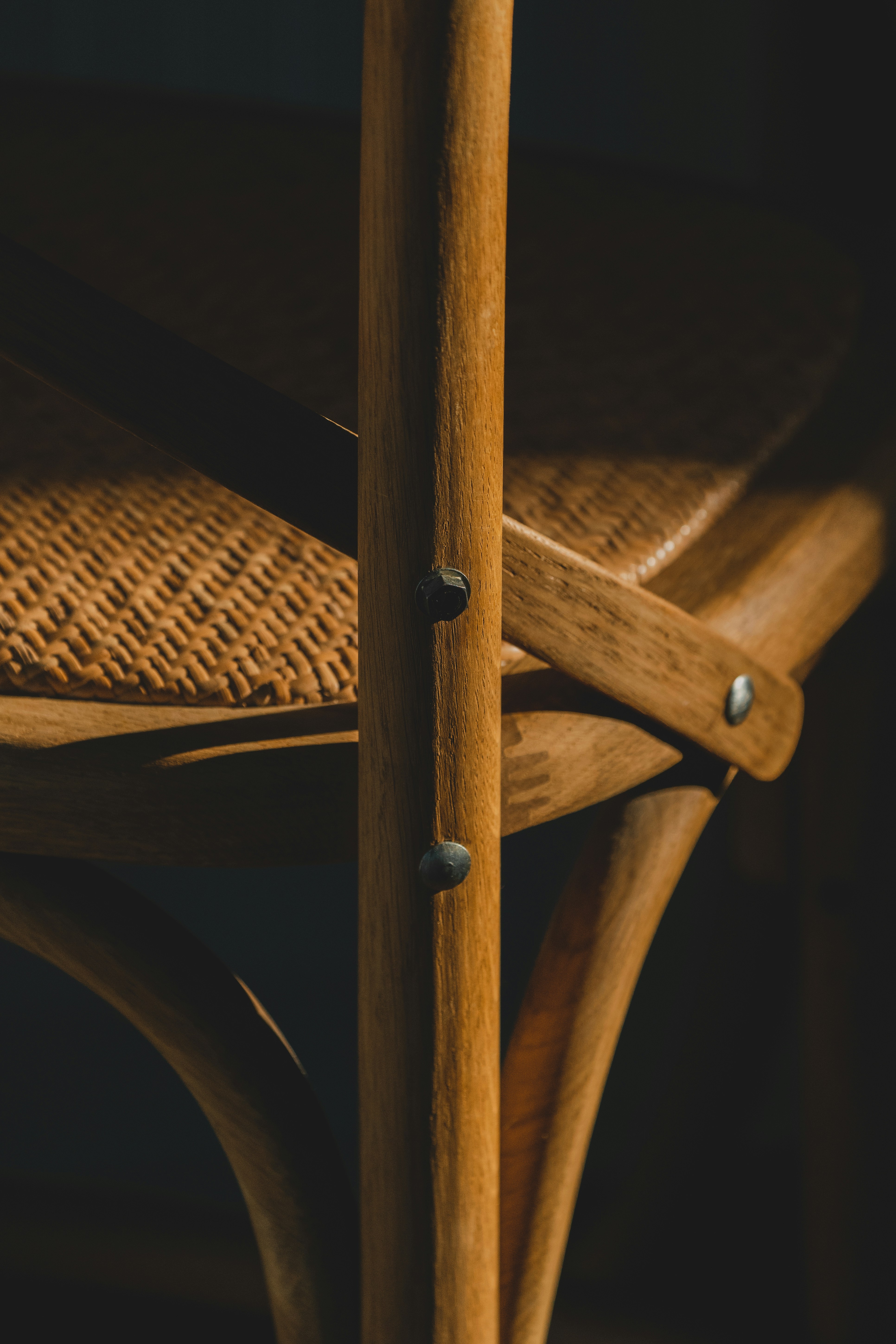
1. Understanding the Difference Between Solid Wood and Veneer Tables
Solid wood tables are made entirely from natural lumber such as oak, walnut, or ash. Each piece of wood has a unique grain pattern, offering natural beauty and long-lasting durability.
In contrast, a veneer dining table consists of a thin layer of real wood (the “veneer”) glued onto a base material like MDF or particleboard. The surface still looks like real wood, but the core is not solid timber.
In short:
Solid wood = 100% natural timber (strong, heavy, long-lasting)
Veneer = Thin wood surface + engineered core (affordable, lighter, modern-looking)
2. Why Choose a Solid Wood Dining Table
If you’re looking for furniture that lasts decades, a solid wood dining table is worth every penny.
Advantages:
Durability: Solid wood can withstand years of use and still maintain its beauty.
Repairability: Scratches or dents can be sanded and refinished easily.
Sustainability: Many manufacturers now use FSC-certified wood for eco-friendly production.
Timeless Appeal: Solid wood naturally develops character and patina over time.
Even the table legs wood play a key role — sturdy solid legs made of oak or walnut not only support the table but also enhance its rustic charm and stability.
If you enjoy hosting family dinners or want a piece that becomes a lifelong centerpiece, solid wood is the right investment.
3. When a Veneer Dining Table Might Be the Better Option
That said, veneer tables shouldn’t be overlooked. Modern veneer technology has improved dramatically, offering high-end designs at a fraction of the cost.
Advantages:
Affordability: Veneer tables are typically more budget-friendly.
Lightweight: Easier to move, ideal for apartments or rented homes.
Consistent Finish: The veneer surface gives a uniform, polished look.
However, keep in mind that veneer tables are more prone to water damage and can’t be sanded down or refinished like solid wood.
If your goal is modern style with less maintenance, a veneer dining table could be a practical choice.
4. The Role of Table Design: Shape and Legs Matter
Whether you choose solid wood or veneer, design plays a huge part in both function and aesthetics.
Table Legs (Wood Design):
A dining table’s legs determine its stability and overall look. Thick, carved table legs wood made from solid oak or ash bring traditional elegance, while sleek tapered legs create a modern minimalist feel.
Shape Matters:
For smaller dining areas, a round wood dining table helps maximize space and encourages conversation.
In larger rooms, rectangular tables offer more seating and a grander visual presence.
Combining these elements — sturdy legs, thoughtful proportions, and the right material — ensures your dining table complements your lifestyle perfectly.
5. Longevity and Maintenance: What to Expect
Solid wood:
With proper care (regular polishing and avoiding excessive humidity), solid wood tables can last 20–50 years or more.
Veneer:
Veneer tables typically last 5–10 years, depending on usage and maintenance. Avoid moisture, sharp objects, and direct sunlight to prevent peeling or warping.
If long-term durability and resale value matter to you, solid wood is still the superior choice.
6. Expert Opinion: Blending the Two
“You don’t always have to choose between the two extremes,” says David Lee, furniture designer at Leehu Furniture.
“Some customers prefer a hybrid design — solid wood legs and frame with a veneer tabletop — combining strength and affordability.”
This approach gives you the beauty of real wood where it matters most (such as table legs wood) while keeping costs manageable.
Conclusion: Which One Should You Buy?
If you value longevity, authenticity, and craftsmanship, choose a solid wood dining table.
If you prefer modern design, affordability, and easy maintenance, a veneer table might suit your needs.
For compact spaces or casual dining, a round wood dining table offers comfort and elegance in one.
Ultimately, the “best” choice depends on your home, budget, and lifestyle.
But one thing is certain — whether solid or veneer, a well-designed wooden dining table never goes out of style.


